Listening to podcasts has been an irreplaceable tool for handling my depression and anxiety—during the COVID pandemic, and through my first year of living in Boston after graduation.
A sense of seclusion has been a big part of my life. It started with an extensive hospital stay during my preteen years and carried into adulthood after living alone for over a decade. I love socializing, but I value alone time equally, and as I have grown older, I have come to appreciate it even more. Time alone is incredibly useful for self-reflection and resetting my focus on the bigger picture of my life. For most of that time alone, I prefer listening to conversations or non-lyric music over sitting in silence.
Good conversations do not only brighten my mood—I also gain knowledge and different perspectives on so many topics.
I had long commutes when I was living in San Antonio and on Long Island. Listening to NPR while driving gave me comfort and kept me in the loop on current events. NPR has had quality programs like Radiolab, Snap Judgment, and This American Life, which I still listen to today.
Around that time, a very interesting event made the news. A podcast recorded in South Korea called 나는 꼼수다 (Naneun Kkomsuda) became the most downloaded podcast on iTunes in the world. This was before the BTS phenomenon and Squid Game on Netflix generated massive revenues across the globe. The podcast was created by influential South Korean journalist Eo-jun Kim (김어준) and co-hosted by three other individuals in journalism and politics covering current events in South Korea. The main theme centered around news involving then-President Lee Myung Bak and the political landscape at the time. Looking back, many media analysts acknowledge this podcast for contributing to the popularization of not only podcasting itself but also individual journalism platforms, which exploded at the beginning of the smartphone era. It is incredible—especially because the entire episodes were recorded in Korean and the topics were exclusively about South Korea. Anyway, it was refreshing to listen to the unfiltered and candid discussions between the hosts. I think there is real power in building an ecosystem where hosts are genuine and personable enough for listeners to feel connected.
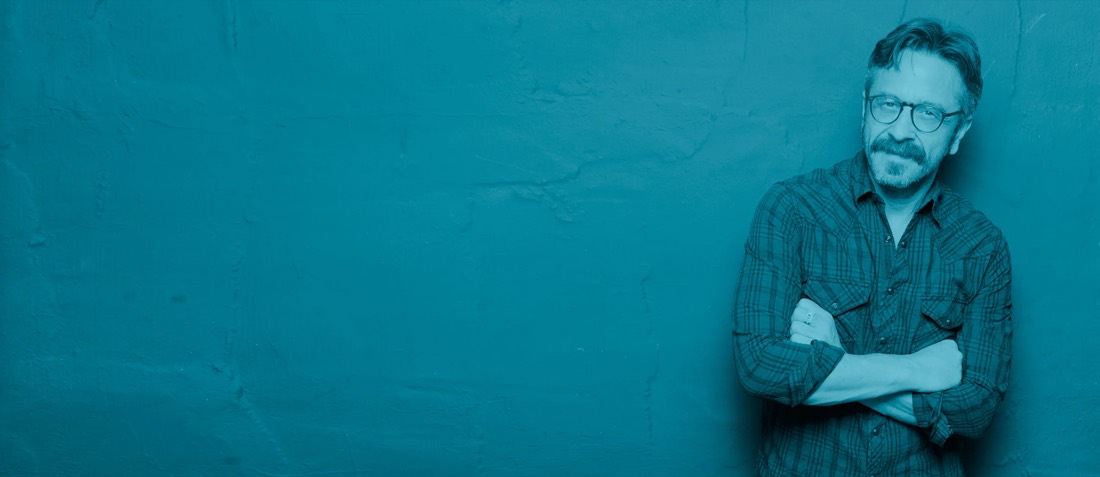
Fast forward to 2018—I found Marc Maron's WTF podcast and became a frequent listener. Maron begins each of his bi-weekly episodes with an update on his personal struggles and life, then interviews a broad range of guests from the entertainment world. There are particularly memorable episodes I ended up listening to multiple times, including conversations with Michael Keaton, Rob Reiner (rest in peace), Ethan Hawke, and Billie Joe Armstrong, to name just a few.
It is fascinating to hear extremely famous public figures open up in often unscripted dialogues, diving deep into their upbringings and struggles. Maron has mentioned on his podcast several times that his interviewing style does not stick to prepared questions—which means he can provoke his guests or form unexpected bonds with them. There was always a roughness and a humanity in Maron's words.
I found it incredibly healing to connect with him during the isolation of the COVID pandemic. I was living alone through nearly three months of quarantine, struggling with anxiety over the uncertainty of everything—the world, my life, all of it. It was not clear where my PhD research was going, and it was terrifying to think about my career afterwards. Living alone in the United States, I was adamant about not telling my parents in South Korea about my mental health, worried that I would only make them worry more. I found comfort in opening up to my small circle of friends, and when I was alone, I turned to the WTF podcast. I sobbed when Maron cried on his show, and I laughed out loud when he laughed with his guests. There was something grounding about his familiar voice and being invested in his personal life while I was going through my own struggles. Since then, I have listened to many other podcasts, but I think Maron's WTF has been the most effective for me.
p.s. Sadly, he concluded the podcast in October 2025. But his legacy continues on different platforms, and it lingers in my heart.