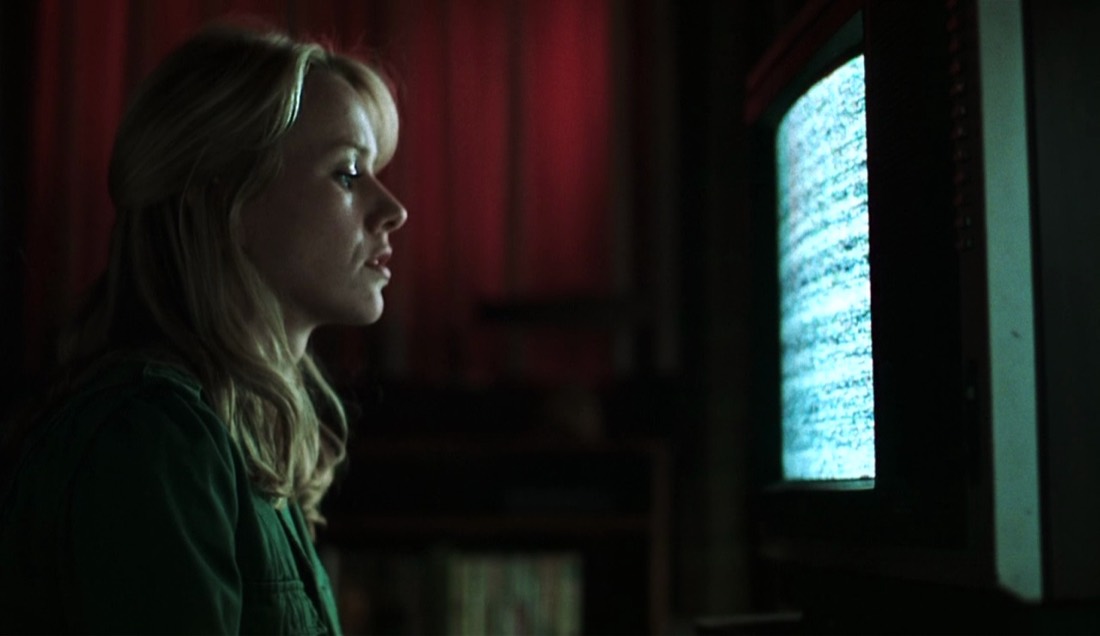
When The Ring arrived in the United States in 2002, it was sensational. Many credited this remake for introducing Japanese horror to the Western hemisphere—and for good reason. It initiated a wave of J-horror adaptations, including Dark Water and The Grudge, the latter becoming another box office hit.
My first impression of this film was that it felt arthouse. The dialogue carried a mastery from beginning to end, every exchange deliberate and purposeful. On a lighter note, I watched The Ring around the same time I saw The Texas Chainsaw Massacre (2003 remake) and came to recognize the distinct subgenres within horror cinema that each film represented—and excelled at. I found both movies memorable and impactful, but I preferred the subtlety of The Ring.
What stays with me most is the cold blue tone of the film, accompanied by the gloomy, rain-soaked atmosphere of Washington State where the story takes place. Characters seemed to reserve their words so that each line of dialogue felt rich and meaningful. The dark and mysterious ambience made the story of a cursed videotape not only convincing but genuinely frightening.
This was an impressive feature for a relatively unknown Naomi Watts and helped launch her into the mainstream. Watts’ persona was a perfect fit for the protagonist Rachel Keller—a skeptical, obsessive investigative journalist with a complex maternal nature filled with emotional distance from her son Aidan. As the film progresses, we learn that she is fiercely protective. Her maternal instinct reveals itself when Aidan watches the cursed videotape, around which the entire story revolves.
The eerie atmosphere had a lingering effect—Hans Zimmer’s beautiful soundtrack and the haunting imagery within the videotape stayed with me long after the credits. I watched this film as a teenager, and for a few weeks I had to leave the bathroom light on when I went to bed. I found the original source—the Japanese version, Ring (1998)—a lot scarier. That film came out four years earlier and is an adaptation of the same-name novel by Koji Suzuki. Its rawness—that low-budget quality—weirdly made it feel realistic and terrifying.
The US remake preserved the detective story arc and human drama tone of the Japanese version. Not only the famous scene of Sadako (Samara in the US film) crawling out of the television screen, but director Gore Verbinski also respectfully replicated scenes crucial to character development—Aidan preparing Rachel’s outfit for Katie’s funeral, Aidan and Noah running into each other on a street like strangers. It is not a perfect film. But what it achieved is remarkable: adapting the essence of its Japanese source while shifting the genre into something distinctly the director’s own vision. Sometimes the highest compliment a remake can offer is not originality but reverence made personal.