I like films with a strong female lead, whether it is a character built with moral virtue or a badass criminal. What makes an engaging film is an interesting character and a fascinating backstory that audiences can relate to in one way or another. The perfect example would be Ellen Ripley in Alien (1979), which defined the space horror genre with a slow-burn story that portrayed complete character formation at the climax. Ripley seemed like a secluded person who was cautious with a calm manner, willing to speak up when needed. The way she responds to the situation and reveals her ability to survive follows the typical hero arc of an action movie. Audiences can relate to her journey because she's forced into a corner rather than choosing it, and her struggle becomes a metaphor for everyone's life.
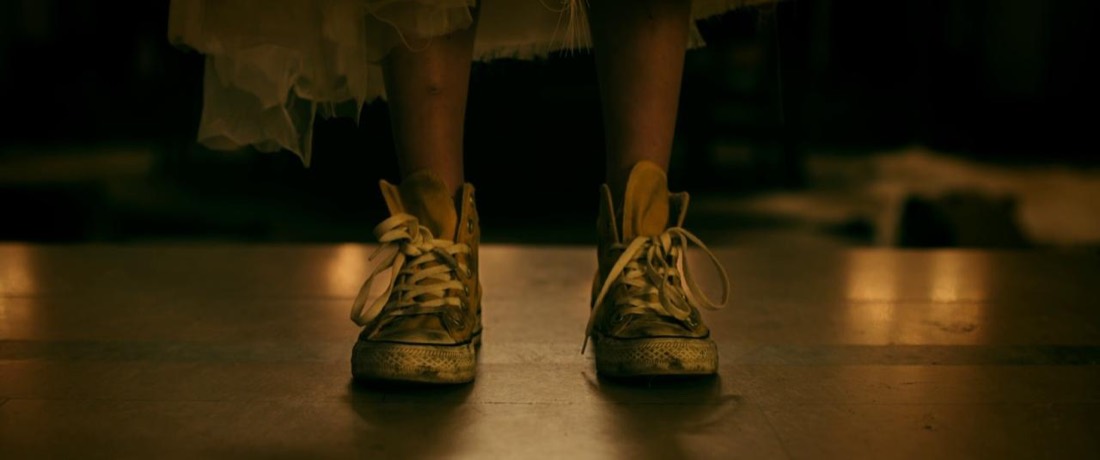
This is why I had high hopes for Ready or Not. Grace, played by Samara Weaving, is introduced as a bubbly and hopeful soon-to-be bride about to join a wealthy family. The poster alone sold me on the premise—Weaving's mischievous look in a wedding dress paired with bright-colored Converse sneakers reminded me of Kill Bill or The Brave One. It is a perfect visual setup that promises a subversive thriller.
The opening delivers on that promise. It introduces the protagonists and establishes the setup with no jargon—such a great beginning for storytelling. But from there, the film struggles to commit to a clear tone, and that is where my frustrations began.
The dialogue could have been much more revealing. Instead of the fiancé simply warning Grace "you can still leave" minutes before the wedding ceremony, Grace could have picked up on obvious hints from the shady family members who are clearly stuck in their vicarious lives. Perhaps it was the writer's intention to portray a caricature of the mega rich, and I understood that impulse—I felt similarly watching HBO's Succession—but the Roy clan had far more psychological depth that allowed for gradual revelation. Here, the characters felt too broadly sketched.
What really threw me off was the lack of clarity during the scene where Tony, father of groom, explains the rules of the ‘incoming family’ game. This was such a great opportunity to create an eerie and immersive atmosphere, but the scenes were cut too briefly. I wanted the film to lean into the mythology—to give us more details and history of the Le Domas family tradition, maybe with a voice-over and a haunting fantasy score. Or imagine a fairy tale animation sequence that frames it as a twisted bedtime story. Instead, we got a rushed explanation that robbed the moment of its potential dread.
The pacing issues continue when Grace discovers the first killing and realizes the game has begun. Suspense builds most effectively when you let the audience warm up to how the story will unfold. The first dramatic death should elevate the film's tone, but instead it was portrayed as almost trivial—a missed opportunity to shift gears into genuine horror.
There are comic relief moments that are funny and quirky, and I genuinely wish there had been more of them alongside more daring scenes exploring dark human psychology. I would describe the story as a cautiously told dark comedy, but I wanted it to be bolder. The film would have worked better if it had tried to be larger than itself by incorporating biting satire—making the audience laugh at characters who take themselves way too seriously while doing despicable things. I would have felt more satisfied if the family members had been truly dedicated to being villains, choosing evil over good without hesitation or comic incompetence.
The family butler Stevens exemplifies this wasted potential. He had every opportunity to reveal the ambiguity of human nature and anchor the film's moral complexity. His intelligence and loyalty could have made him the story's most fascinating character—a man who knowingly serves evil and pays the ultimate price. Instead, his dialogue felt shallow and his emotional range limited. I kept waiting for a wiser, more chilling presence that never materialized.
Overall, the film's plot was entertaining with satisfying plot twists, and the main heroine was likable enough. It works as a popcorn flick—fun, visceral, and over quickly. But I can't help wondering what Ready or Not could have been with more confidence in its darkness. The bones were there—a bride in bloodied white, a family playing games with deadly stakes, a premise ripe for savage satire. It just needed the courage to let those bones show through the skin, to commit fully to being either genuinely terrifying or wickedly funny. Instead, it settled for somewhere safely in between, and that's the most disappointing choice of all.