Some movies are not good, and yet you cannot look away. Dreamcatcher is one of them.
I will say it plainly: this is not a great film. But if you have read Stephen King, and you are willing to treat the movie as a visual book rather than a polished adaptation, it becomes oddly fascinating.
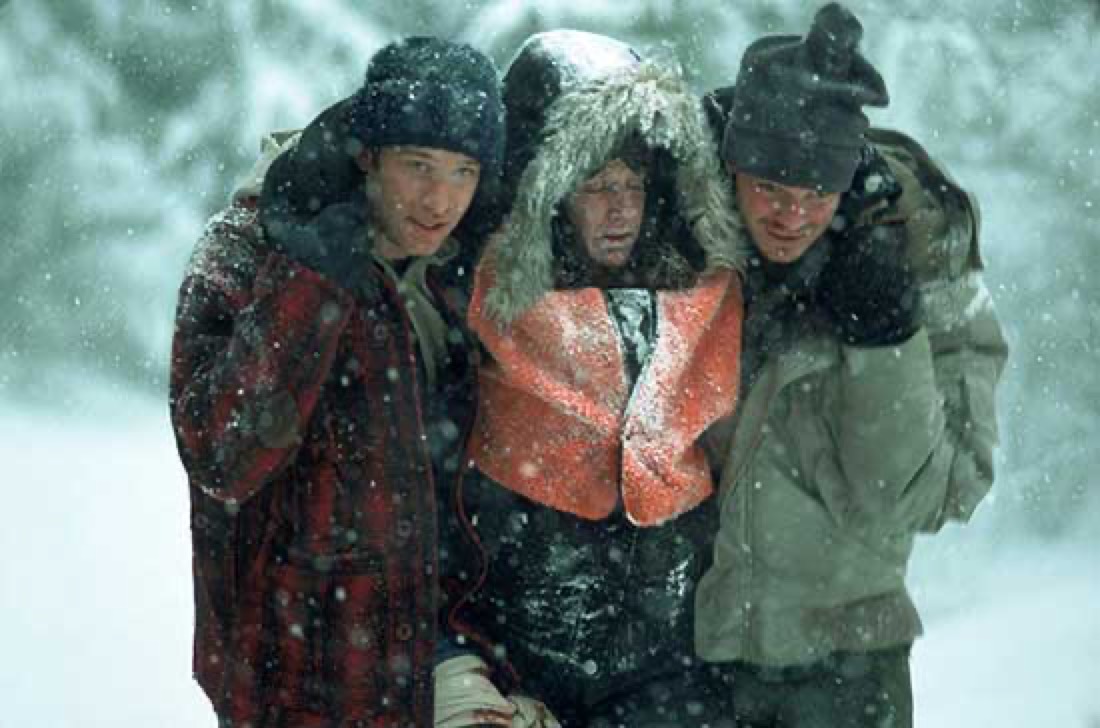
The premise, though, is fantastic. Four men—lifelong friends bound together since childhood—reunite for their annual hunting trip in the snowy mountains of Maine. Each carries his own private struggle, and each carries something stranger: a mysterious psychic connection that traces back to a single event in their youth.
Then the snow comes. Then the blizzard. Then the parasite.
The arrival of the alien in the middle of a whiteout is a wonderful piece of suspense-building.
And then it loosens its grip.
Two things broke the spell for me. The first was the military. Morgan Freeman arrives as the commander leading the operation against the alien threat, and the film never bothers to explain how any of this came to be. The backstory that should anchor the second half is left vague, and the war that follows feels disconnected from the intimate story I had been watching.
The second was Jonesy's mind. King imagines the inside of Jonesy's head as a vast memory warehouse—a literal architecture of stored thoughts that an invading consciousness must navigate. On the page, this is haunting. On screen, it is awkward and literal, a set you watch a man wander through rather than a psychology you feel. This is where the adaptation reminded me of an old truth: what works beautifully as a storytelling method in literature does not always survive the trip to cinema.
And the climax? A disappointment. After all that patient suspense, the ending never earned the buildup that preceded it.
Dreamcatcher is coherent. It is atmospheric. It is held together by four characters I genuinely liked and a premise I wish a tighter film had served. Not every adaptation needs to be great to be worth your time. Sometimes a flawed translation still lets you hear the original language underneath.